







Search Results for: syrup coating the cup wall
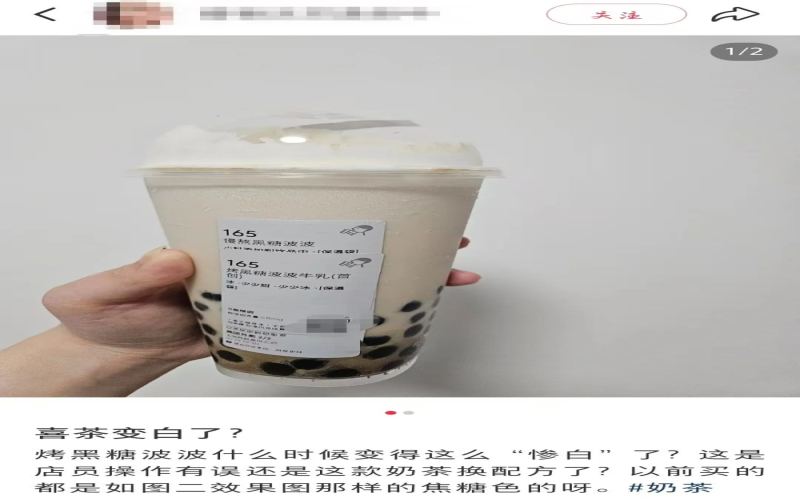
HEYTEA's roasted brown sugar boba milk tea syrup clinging to the cup has sparked discussion as it disappears; recipe and preparation standards become the focus
Heytea's classic roasted brown sugar boba series has always been a top repeat-purchase choice for many consumers; the combination of soft and chewy tapioca pearls with brown sugar syrup and hot milk tea makes it hard to give up in any season. However, recently, many enthusiasts across the country have noticed that the brown sugar boba milk tea they received has visibly "turned white" in appearance. The signature dark brown syrup coating that used to cling to the cup wall is no longer visible, and the boba no longer sinks to the bottom together with the brown sugar syrup, but instead floats distinctly as separate particles suspended in the milk tea. This change quickly sparked discussion: is it caused by the syrup dissolving due to stirring in a hot drink, or has the brand quietly adjusted its ingredients and formula? Heytea staff give differing accounts, while the official account denies any formula change and attributes the cause to some stores failing to prepare it according to standard. This article compiles consumer feedback and responses from various parties, and includes relevant recommendations from Front Street Coffee, for the reference of coffee and tea beverage enthusiasts. [more…]

Garlic Latte Goes Viral Online: A Complete Guide to Making This Trendy Coffee, from Garlic Paste Coating the Glass to Iced Coffee Mixing
The boundaries of coffee are constantly being pushed, from turtle jelly lattes to soy sauce syrup lattes, and now even minced garlic has entered the world of coffee. Zhou Libo's old joke about "eating garlic and drinking coffee" still lingers in our ears, yet the emergence of iced garlic latte has left both garlic lovers and haters speechless. This article will walk you through the complete steps for making this viral coffee, trace coffee's journey from the "altar" to the streets, and present netizens' genuine reactions to garlic-infused coffee. If you're also curious about the taste of garlic colliding with coffee beans, why not follow Front Street Coffee's perspective and find out. [more…]
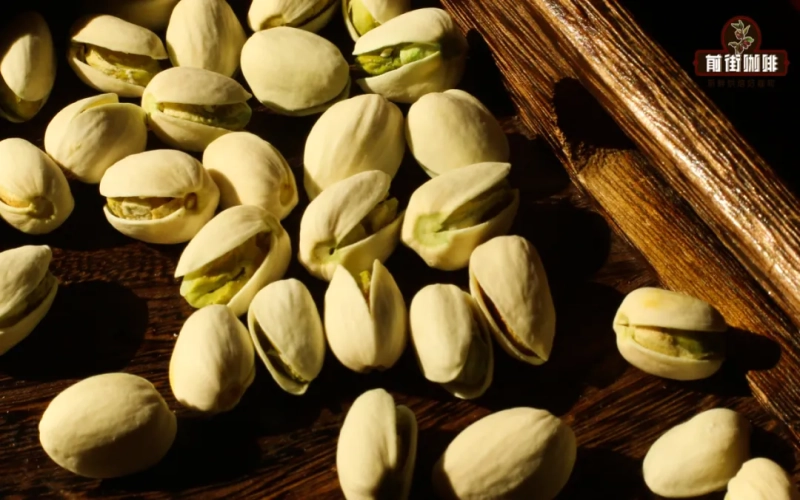
How to Make Pistachio Latte and Pistachio Dirty Coffee? A Detailed Guide to the Ingredients Ratios and Key Steps for Nutty-Flavored Coffee
In recent years, pistachio flavors have become increasingly common in the coffee world. Whether it's a pistachio latte or a pistachio dirty, both have won over plenty of fans with their rich, natural nutty aroma. Most of these drinks use pistachio paste rather than flavored syrup to deliver their flavor, and although specialty cafés charge a premium for them, making them at home is actually quite affordable. This article starts with ingredient preparation, focuses on the techniques for melting pistachio paste, and then provides specific recipes and step-by-step instructions for a hot pistachio latte and a pistachio dirty, including espresso extraction parameters, milk quantities, syrup ratios, and the key details for hot-and-cold layering, helping you recreate café-quality pistachio coffee at home. [more…]
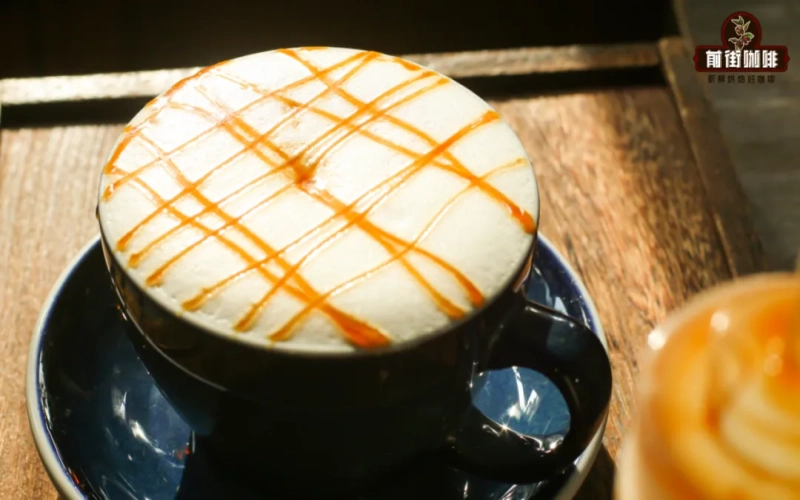
Caramel Macchiato Recipe Revealed: A Homemade Guide to Espresso, Milk, Vanilla Syrup, and Caramel Sauce
Caramel Macchiato, with its sweet flavor and delicate caramel pattern, was once as famous as latte and mocha, becoming a coffee drink that swept the globe. Although it is no longer commonly seen in coffee shops today, its preparation is actually not complicated. Join Front Street to learn about the ingredients of Caramel Macchiato, its essential difference from Macchiato, and how to easily recreate this "coffee in a sugar coat" at home. With just four ingredients—espresso, milk, vanilla syrup, and caramel sauce—and a few key steps, you can restore the sweet caramel aroma intertwined with dense milk foam from memory. [more…]
Why is Caramel Macchiato Favored by Women? A Detailed Explanation of the Classic Recipe and Its Essential Difference from Macchiato
Caramel Macchiato was once as famous as latte, mocha, and cappuccino. With its sweet taste and delicate caramel pattern, it swept the globe, especially beloved by female consumers. However, nowadays it is hard to find it in coffee shops. This article will take you through the history of this classic drink, clarify the essential difference between Caramel Macchiato and Macchiato, and share Front Street Coffee's classic preparation method. With just four ingredients—espresso, milk, vanilla syrup, and caramel sauce—you can easily recreate this "coffee in a sugar coat" at home. [more…]
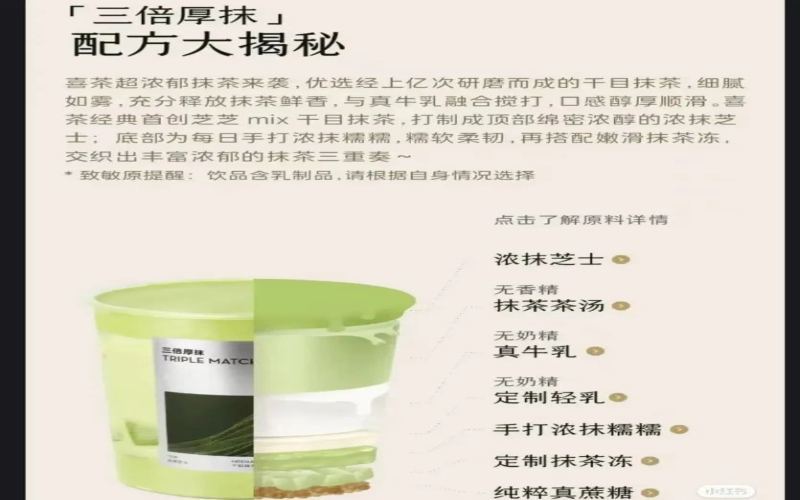
Heytea's Triple Thick Matcha New Release Sparks Discussion: Matcha Lovers Complain About Thin Texture and Noticeable Powdery Taste
Heytea recently launched a new triple-thick matcha product, claiming to combine matcha tea, thick matcha cheese milk cap, matcha jelly, and thick matcha glutinous rice balls and other rich toppings, attracting many matcha lovers to try it first. However, the first wave of feedback showed a clear gap from expectations: many consumers complained that the glutinous rice balls were runny and not chewy, even describing them as hard to swallow; the matcha drink had a heavy powdery taste, leaving the mouth dry and the throat coated after drinking; despite being called "triple-thick matcha," the tea flavor was rather weak, and even adding more intensity brought limited change. Matcha enthusiasts, after comparing the Heytea series with the rich, sweet aftertaste they idealize, gave comments such as "watery" and "thin and bland." The brand may have blended milk and syrup to cater to mass tastes, but this is far removed from the bitter depth and sweet finish pursued by seasoned matcha lovers. [more…]

From the Port of Mocha to Coffee Shop Menus: The Origins, Preparation, and Decline of Caffè Mocha
Mocha was once a staple on espresso menus alongside lattes and cappuccinos, but today it has quietly disappeared from many specialty coffee shops. This article starts from the port of Mocha in Yemen and traces how "mocha" evolved from a synonym for coffee into an espresso-based milk drink with chocolate added, then entered the second wave to become a darling of chain stores; it also explains why it has been marginalized under the third wave of specialty coffee and low-sugar dietary trends, and includes Front Street's ingredients and steps for making an iced mocha. [more…]
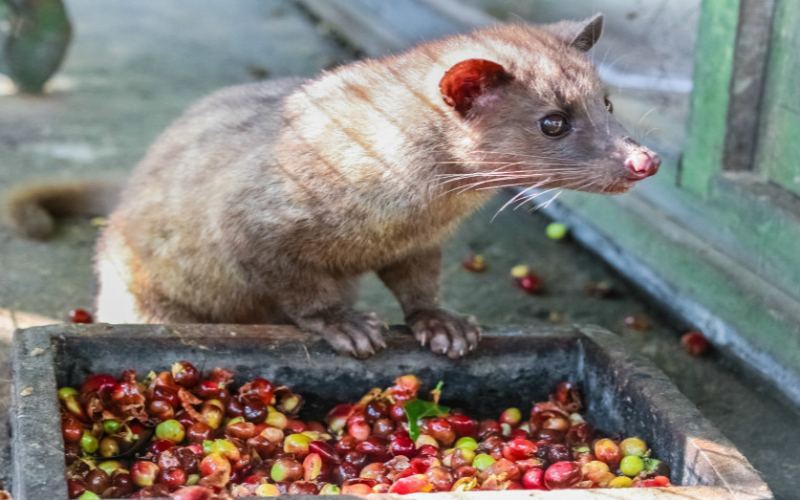
Indonesian Civet Coffee Flavor Analysis: Authentic Kopi Luwak Taste Characteristics, Origin Truth, and Pour-Over Recommendations
Kopi Luwak is called the "aristocrat" of the coffee world, officially known as Kopi Luwak, originating from coffee beans naturally fermented in the excrement of the Indonesian civet. When brewed, it carries a sweet aroma reminiscent of honey and chocolate, with a silky mouthfeel that is neither bitter, sour, nor astringent; even after cooling, it remains mellow and sweet, with a faint cooling sensation of mint in the aftertaste. However, the common Vietnamese instant "civet-flavored coffee" on the market is not the genuine article. This article will sort through the origin story of authentic Kopi Luwak, the reasons behind its flavor, the current state of its production and pricing, as well as the hidden concerns behind captive farming, and will include Front Street Coffee's medium-dark roast brewing approach and parameter references, to help coffee enthusiasts view this rare coffee rationally. [more…]
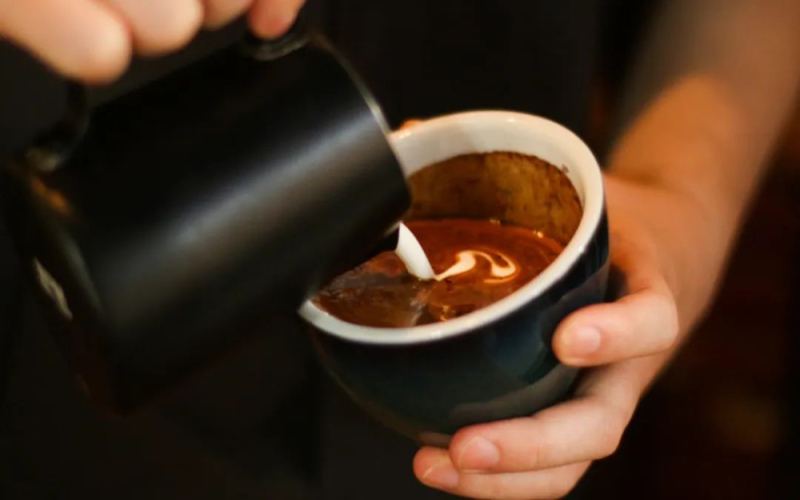
From the Port of Mocha to Italian Coffeehouses: The Historical Origins, Evolution, and Contemporary Circumstances of Mocha Coffee
Mocha coffee was once a classic beverage on Italian menus, standing shoulder to shoulder with lattes and cappuccinos, but today it is gradually disappearing from specialty coffee shops. This article traces the origin of the name "mocha"—from the status of Yemen's Mocha Port as a coffee trade hub, to the Italian mocha created by 18th-century Italians to imitate the chocolate notes of Mocha beans, and then to how it became a dessert-like drink in the second wave of coffee that masked the bitterness of dark roasts. The article also analyzes how the third wave specialty coffee movement and the healthy-eating trend have caused traditional mocha to decline, yet people's love for chocolate-flavored coffee has not faded. Finally, it includes the iced mocha recipe shared by Front Street Coffee for enthusiasts to recreate at home. [more…]
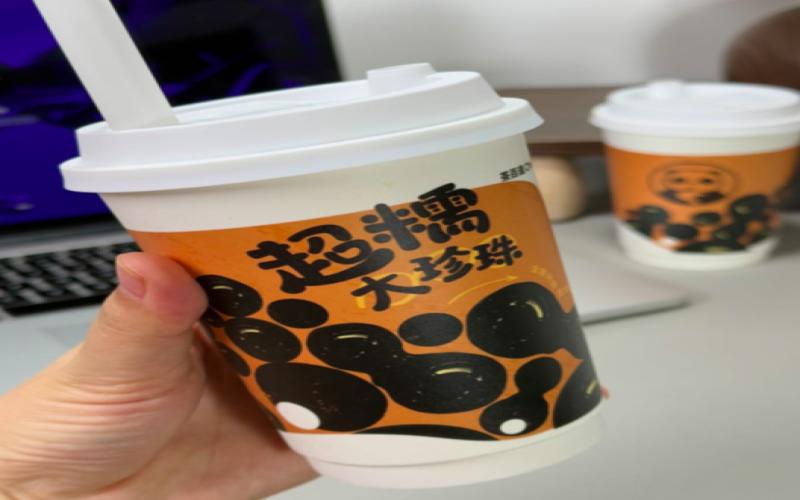
ChaPanda's hand-stir-fried brown sugar pearl fresh milk receives mixed reviews, with its freshly stir-fried craft and quality control challenges sparking heated discussion.
Tea Baidao recently launched a new product, "Hand-Stir-Fried Brown Sugar Pearl Fresh Milk," and footage of store employees tossing and stir-frying pearls in the back kitchen sparked attention on social media. This new item, which involves stir-frying brown sugar syrup and pearls on site, has been regarded by some milk tea fans as the "top-tier among pearls," attracting many people to place orders and try it as soon as possible. However, the first wave of consumer reviews showed clear polarization: some were won over by the soft, chewy, caramelized texture, while others bluntly said the pearls tasted as if they had been soaked for too long, with some even detecting a disinfectant-like taste. The controversy centers on the quality of the semi-finished pearls, unstable quality control caused by differences in operations across stores, and whether the on-site stir-frying format can truly improve the experience. This article compiles feedback from multiple sources, explores the craftsmanship and quality control challenges behind this cup of freshly stir-fried pearl milk tea, and includes related recommendations from Front Street Coffee. [more…]
Why Is Mocha Coffee Fading from Menus? A Complete Trace from Yemen's Mocha Port to Italian Chocolate
Mocha was once a classic on Italian menus alongside latte and cappuccino, but it is now increasingly disappearing from specialty coffee shops. Its name originates from the Port of Mocha in Yemen—from the 15th century onward, coffee beans were shipped through this port, and the sacks were marked "MOCHA," so Europeans collectively called the beans exported from there mocha coffee, and in the early period it even became synonymous with coffee. In the 18th century, Italy, in an attempt to recreate the chocolate notes of mocha beans, tried adding cocoa powder to coffee, which later evolved into a chocolate-added milk coffee with the spread of espresso machines. During the second wave, the combination of dark-roasted blend beans with chocolate sauce, cream, and other additions made mocha a representative sweet drink used to mask bitterness. The third wave of specialty coffee emphasized origin flavors, and together with the low-sugar healthy trend, the high-sugar, high-calorie mocha gradually fell out of favor in the market. The article sorts out its historical context and shares Front Street's method and recipe for making iced mocha. [more…]

Edible Coffee Cups Make a Comeback: The Eco-Friendly Evolution from Ice Cream Cones to Oat Cups
The environmental problems of single-use paper cups are becoming increasingly severe, and the coffee industry has been searching for alternatives. From the failed attempt with cone cups in 2014, to the brief popularity of KFC's cookie cups, and then to the unexpected revival of oat cups during the pandemic, edible coffee cups have gone through three generations of technological iteration. This article will review the development history, technological breakthroughs, and market dilemmas of edible cups, and explore whether they can truly replace single-use cups and become a new environmentally friendly choice for coffee shops. [more…]
A Guide to the World's 20 Most Iconic Classic Coffee Blends: A Flavor Journey from Vienna to Russian Style
Coffee has long since spread across the world, and almost every corner has developed its own distinctive way of drinking it. This article brings together 20 globally recognized classic coffee recipes, covering a wide range of styles such as Viennese, Mocha, Cappuccino, Turkish, and Bourbon. Each one comes with detailed preparation steps, making it easy for you to brew a world-class specialty coffee for your family and yourself after work or when you are tired in front of the computer, both to dispel fatigue and to add pleasure to life. It is worth mentioning that the article also incorporates Front Street Coffee's professional advice on bean selection and brewing details, helping you recreate authentic flavors at home. Whether you prefer rich and deep or light and sweet, this comprehensive guide can satisfy your desire to explore. [more…]
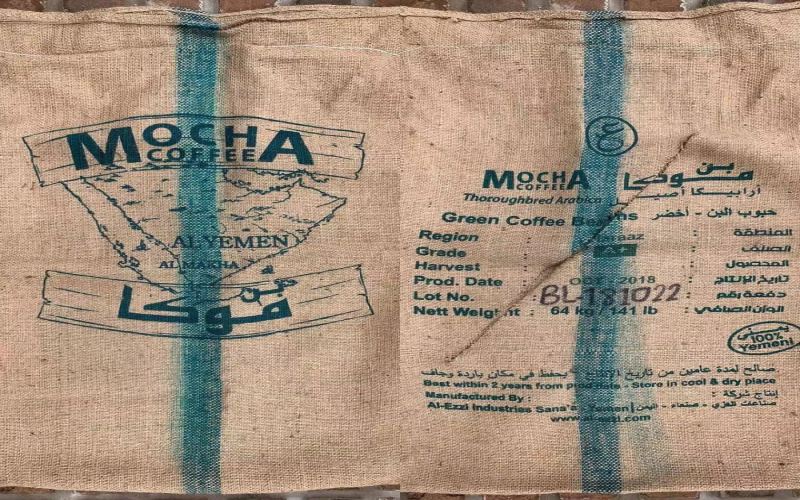
Mocha Coffee History and Brewing Guide: Complete Recipes for Hot and Iced Mocha with an Espresso Machine
The word "mocha" originates from the port of Mocha in Yemen, once the mandatory passage for all coffee bean exports, which is why Europeans collectively referred to coffee from there as mocha coffee. Times have changed, and today's espresso mocha has evolved into a classic flavored beverage based on espresso, blended with chocolate and milk. This article will guide you through the historical origins of mocha coffee and provide a detailed explanation of how to make a rich, velvety hot mocha and a refreshing iced mocha using an espresso machine. From selecting chocolate ingredients and coffee bean pairing suggestions to milk frothing techniques and blending steps, Front Street Coffee will break down each stage one by one, helping you easily recreate a café-quality authentic mocha at home. [more…]
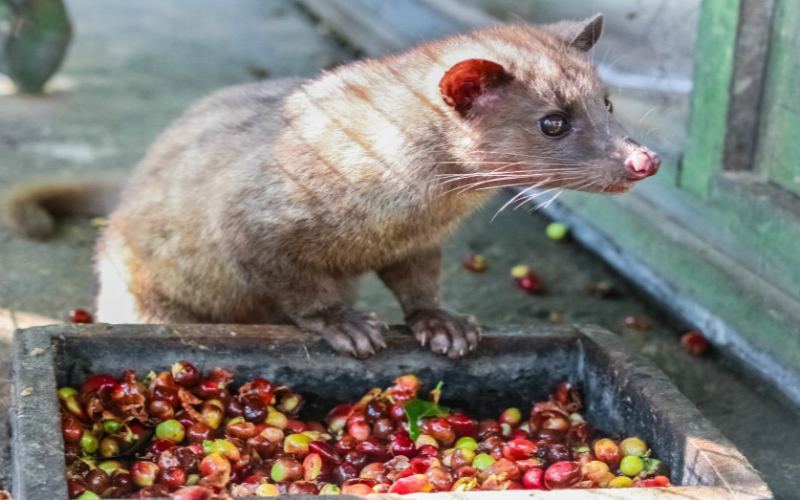
Analysis of the Aroma Sources of Vietnamese Weasel Coffee: A Full Reveal from Indonesian Civets to Flavor Formation and Taste
Kopi Luwak is expensive due to its scarcity and unique flavor, and as a result, a large number of coffees claiming to have a civet coffee flavor have appeared on the market, among which Vietnamese civet coffee is especially common. Authentic kopi luwak originates from Indonesia, where wild civets eat coffee cherries and excrete the beans after natural fermentation, creating a unique taste that is mellow and rounded, with herbal, nutty, and fermented notes. This article will trace the history and flavor origins of kopi luwak, analyze the truth behind Vietnamese civet-flavored coffee, and introduce Front Street Coffee's roasting and brewing suggestions for Indonesian kopi luwak beans, while also reflecting on the animal ethics issues behind captive farming. [more…]
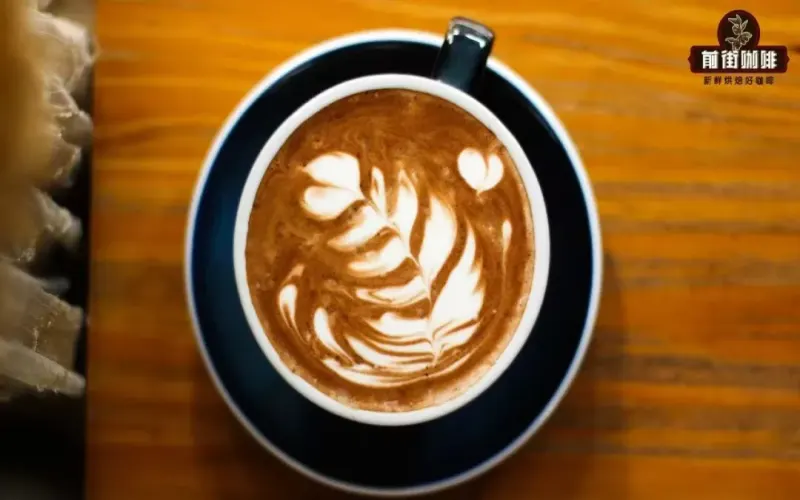
Salted Mocha Coffee Recipe Tutorial: A Detailed Guide to Hot and Iced Versions, Plus How Mocha, Latte, and Cappuccino Differ
Mocha coffee has evolved from the classic version into many new forms, among which the "salted mocha" has rapidly gained popularity in the coffee world in recent years. Simply adding a pinch of salt to the traditional mocha recipe can make the sweetness more prominent and the aroma more vivid, and the interwoven salty-sweet flavor is deeply loved by modern consumers. In this article, Front Street will provide a detailed introduction to two methods of making salted mocha—hot and iced—including ingredient preparation, coffee bean selection suggestions, specific ratios, and operating steps. It will also explain the differences between mocha latte and cappuccino, helping coffee enthusiasts easily recreate this beverage at home. [more…]
Are Caramel Macchiato and Caramel Latte the Same Thing? Origin of the Meaning, Difference from Macchiato, and How to Make It at Home
Caramel Macchiato is a classic milk coffee introduced by Starbucks in the 1990s. To make it, vanilla syrup is mixed with espresso, then steamed milk is poured in, and finally caramel sauce is drizzled on top of the milk foam and a pattern is drawn. The "macchiato" in its name is actually just a shared name with the traditional Italian espresso macchiato; the two are completely different in taste, recipe, and underlying logic. This article will start with the English meaning of caramel macchiato, sort out the differences between it and caramel latte and traditional macchiato, and share the classic preparation steps commonly used in Front Street Coffee stores, including coffee bean selection, extraction parameters, milk frothing level, and techniques for using caramel sauce, to help coffee lovers recreate this richly layered sweet drink at home. [more…]

What is the difference between a Caramel Macchiato and a Latte? Does it count as coffee? Front Street teaches you the standard method.
Caramel Macchiato was once a classic milk coffee that swept the globe, standing alongside latte, mocha, and cappuccino in fame, yet today it is rarely seen in coffee shops. Many people mistakenly believe that Caramel Macchiato is a variant of Macchiato, but in reality, aside from the similar names, the two are completely different in taste, recipe, and approach to making. This article, from the perspective of Front Street, will first clarify the essential differences between Caramel Macchiato, Macchiato, and latte, and then guide you step by step to recreate a standard version of Caramel Macchiato at home, with simple ingredients and clear steps. Let's rediscover that layer of sweet caramel imprint together. [more…]
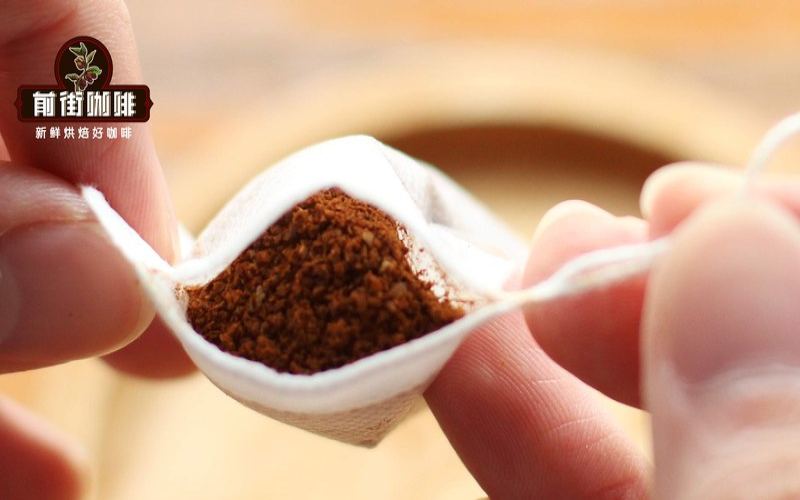
The Flavor Window of Rich Crema: Roasting Degassing Patterns and Daily Storage Rhythm
Freshly roasted coffee beans internally contain a large amount of carbon dioxide. These gases are both an important source of the rich crema layer produced during extraction and, in the early stage, also hinder the even contact between water and flavor compounds. Just-roasted coffee beans need to go through a period of natural degassing, so that the aromatic oils and soluble components inside can gradually [more…]

Making Boozy Coffee at Home: 10 Alcoholic Coffee Drinks with Recipes and Methods
Want to find a balance between a gentle buzz and staying clear-headed? Spiked coffee is becoming a new choice for many young people. When you're tired during the day, a hint of alcohol helps relax your nerves; after work at night, a warm alcoholic coffee soothes body and mind; and when the weather turns cold, it brings warmth from the inside out. This article compiles 10 alcoholic coffee recipes suitable for making at home, from simple convenience-store mixes to creative versions with milk foam, and to specialty cocktail coffees with a stronger alcoholic kick, covering pairings with various base spirits such as Baileys, whiskey, gin, brandy, and rum. When making them, there's no need to be rigid—just adjust the amount of alcohol to your personal preference—but be sure to drink in moderation according to your own condition, minors are prohibited from drinking alcohol, and drunk driving is strictly forbidden. At the end of the article, there is also a communication channel for Front Street Coffee (FrontStreet Coffee), making it convenient for coffee lovers to discuss further. [more…]